Cultivate + co. delivers landscape architecture across urban, peri-urban, and rural landscapes, creating places that respond to their ecological and cultural context. Our projects focus on rewilding landscapes, regenerating ecosystems + cultivating resilient, connected communities.
“Landscapes today need to do more, not only do they feed us, nourish us, enlighten us and connect us but support the fauna around us and help make our world more resilient. That’s a lot but with intelligent design, anything is possible.” Robyn Renton

RURAL REGENERATION in PARKERVILLE


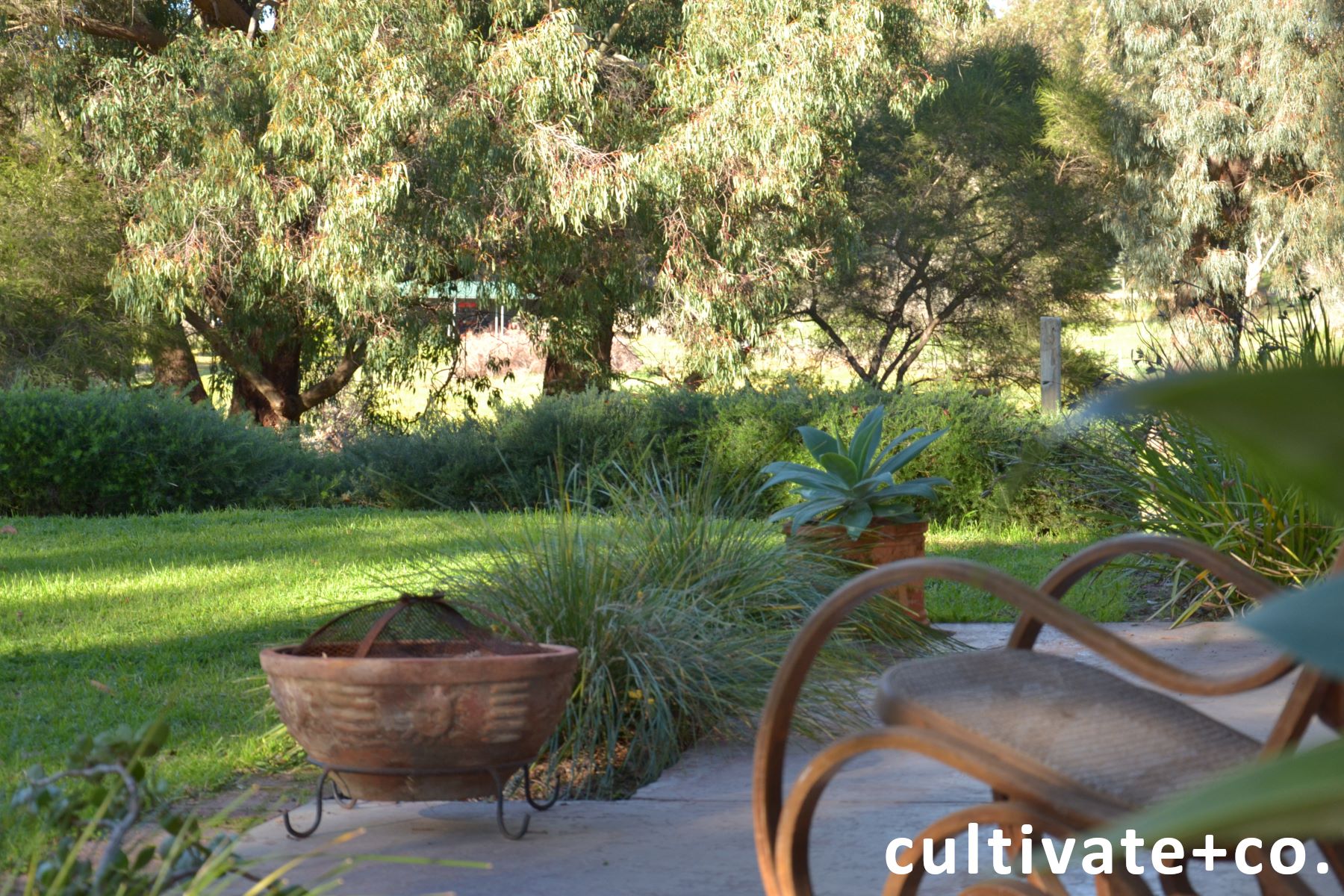
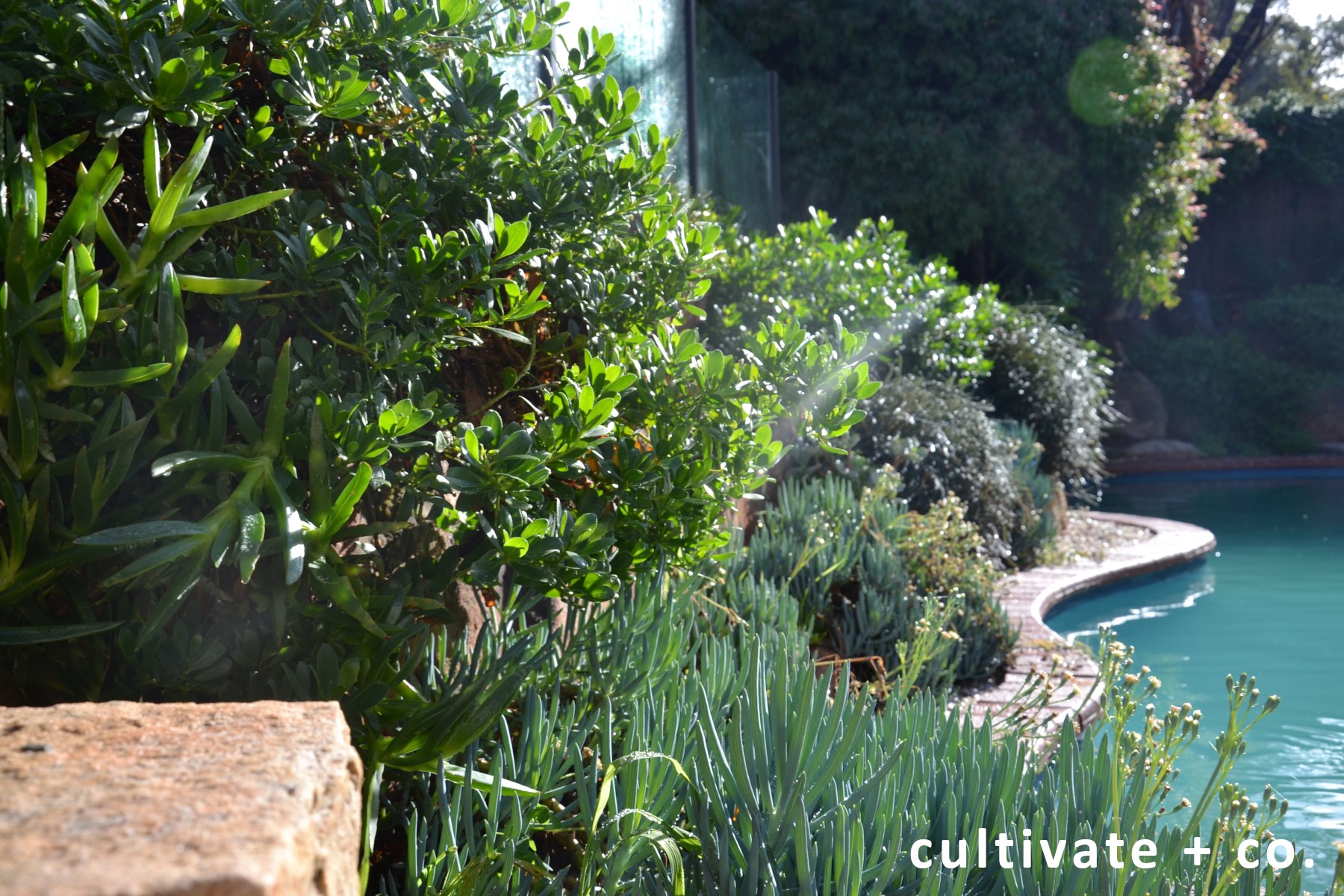
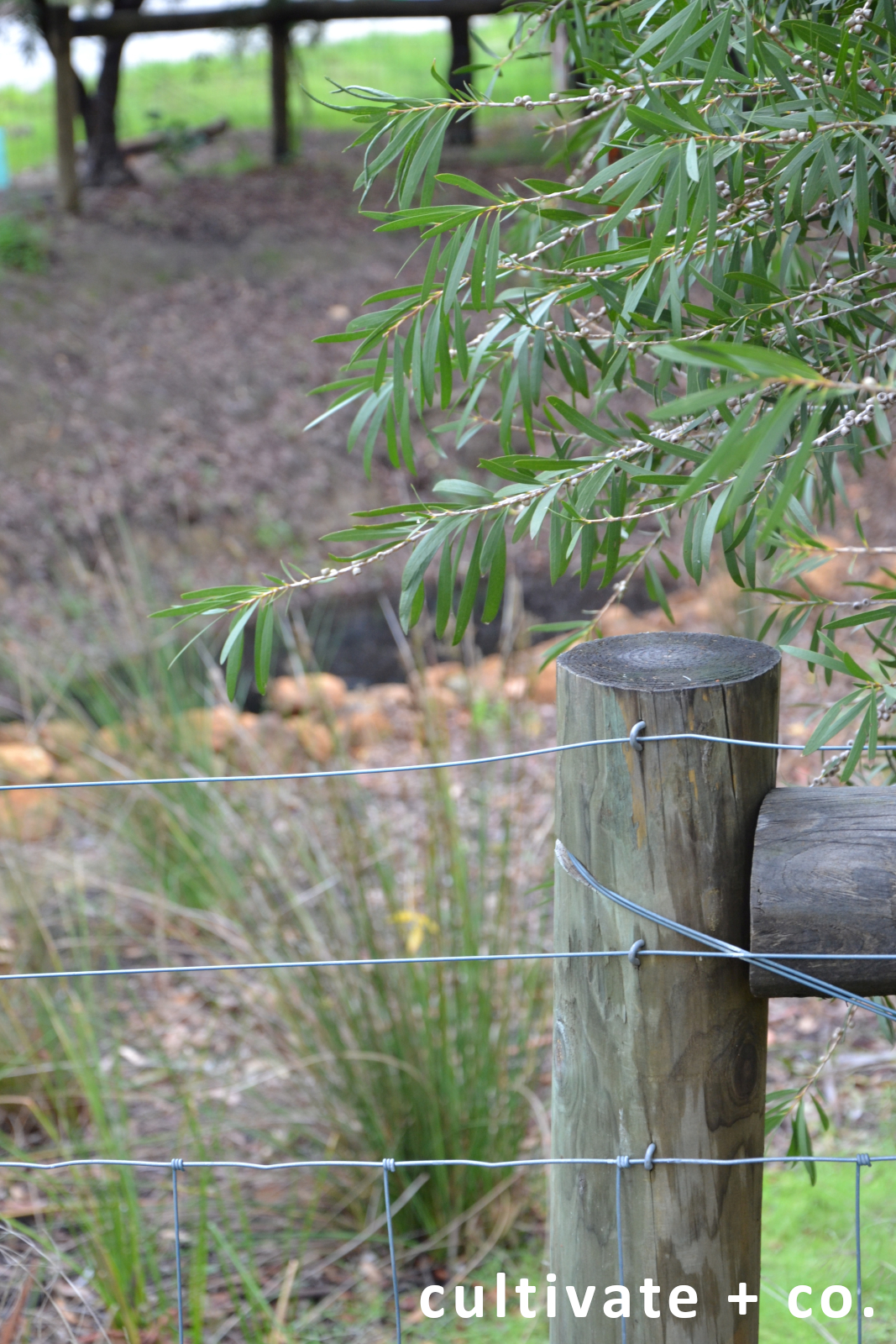
This 1.6-acre rural residential property has been thoughtfully revitalised from a neglected, previously tenanted landscape while preserving the distinctive post-modern character of the original garden. Guided by a clear long-term vision and considered stewardship, the project applies regenerative practices through weed management, revegetation, ecological restoration, and integrated productive food systems. The resulting landscape delivers significant gains in biodiversity, habitat creation, ecological function, and resilience to bushfire risk and climate change. Through strategic direction and ongoing custodianship, it provides exceptional sustainability benefits while supporting the wellbeing and evolving needs of an active young family.

The project’s overarching landscape vision was founded on resilience, restoration and regeneration, responding to the challenging hot, dry conditions of the Perth Hills and the significant risk of bushfire. Through a considered and place-responsive design strategy, the landscape was transformed from an existing rural residential garden into a climate-adapted, ecologically restorative and socially connected environment.

The project demonstrates leadership in contemporary landscape practice through a multi-layered approach that integrates climate adaptation, bushfire resilience, ecological restoration, productive gardening and family wellbeing. Rather than pursuing replacement, the design prioritised adaptation and enhancement, retaining and repurposing existing post-modern landscape elements and materials to preserve character, reduce resource consumption and create an authentic outcome shaped by the unique qualities of place.

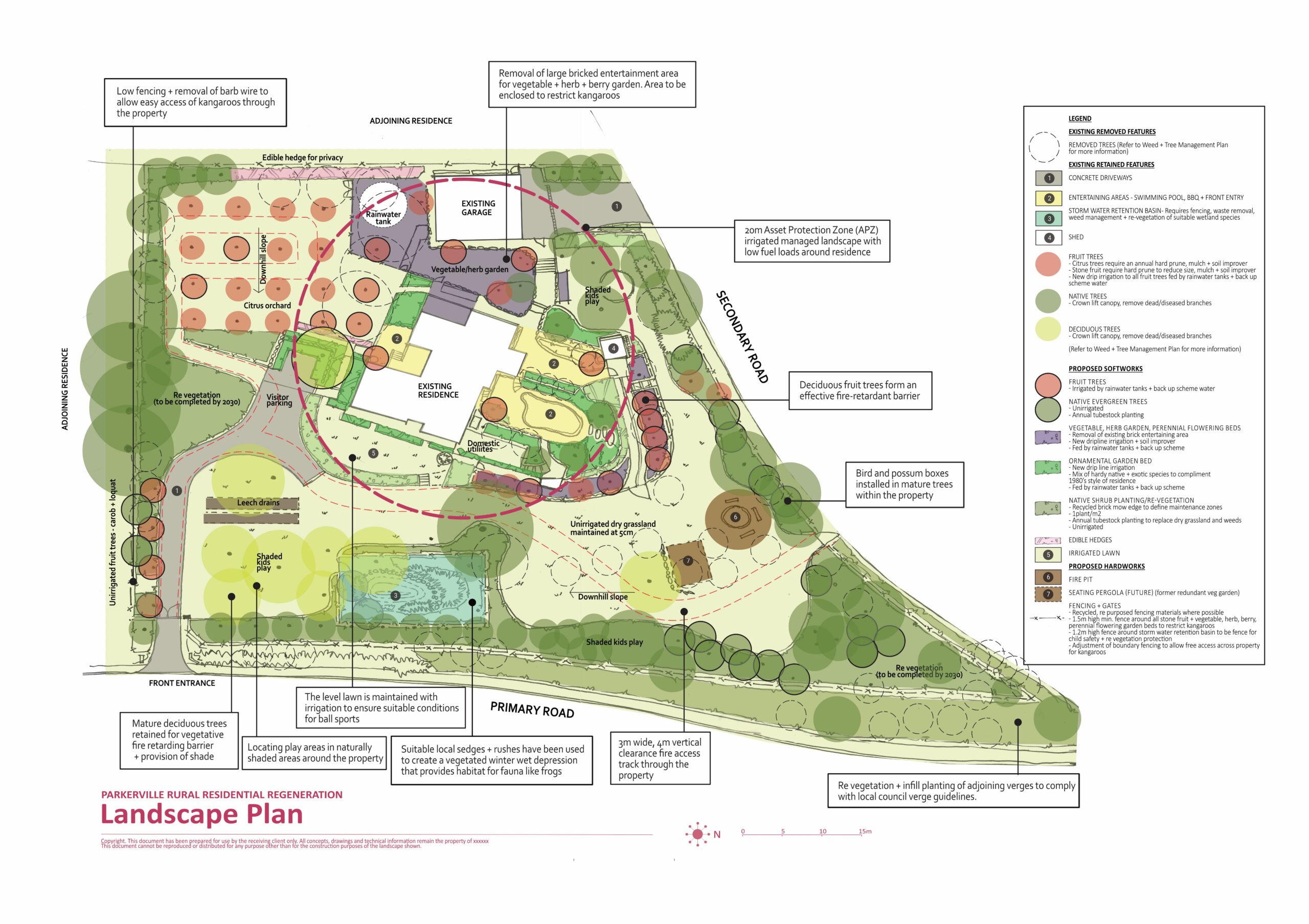
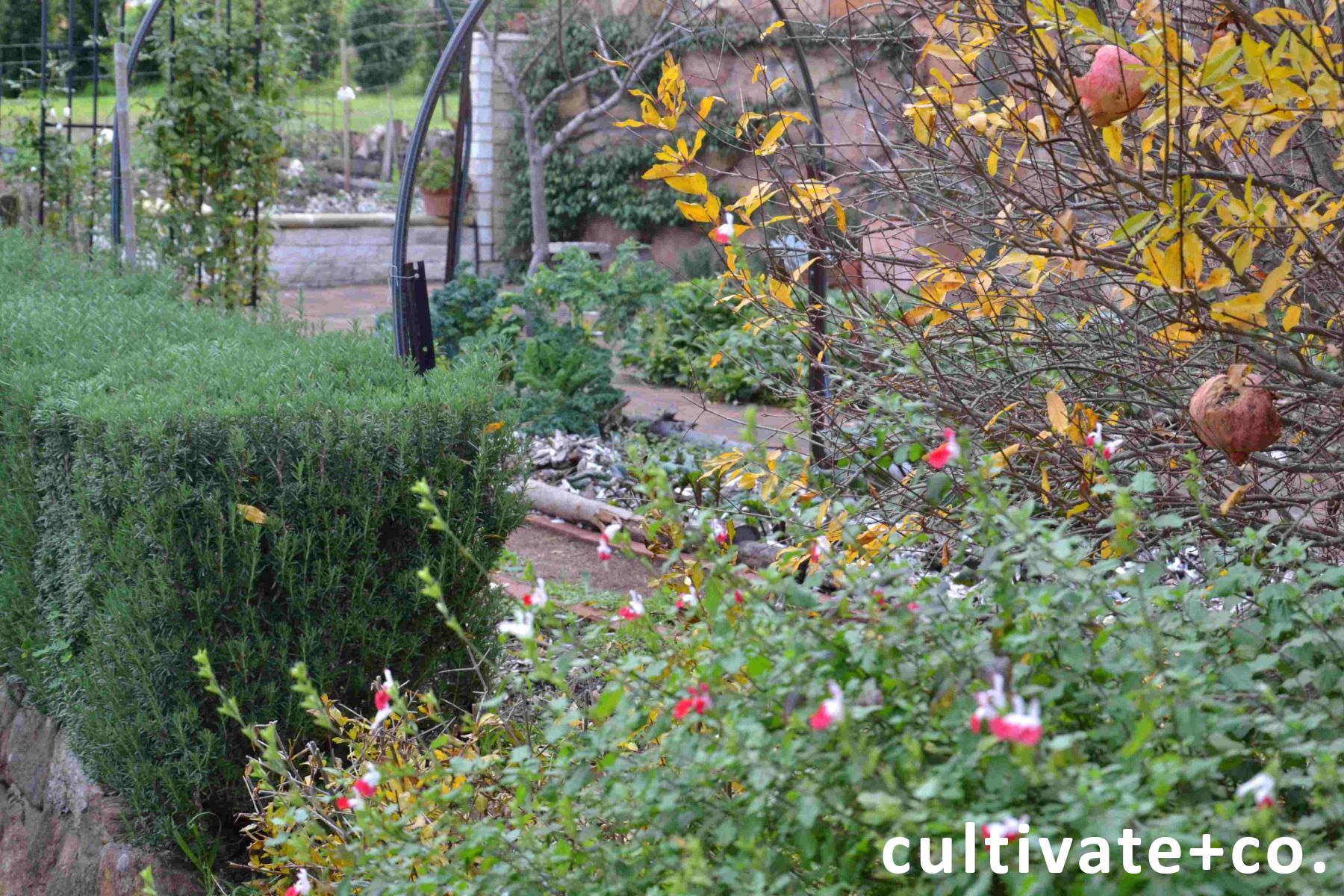
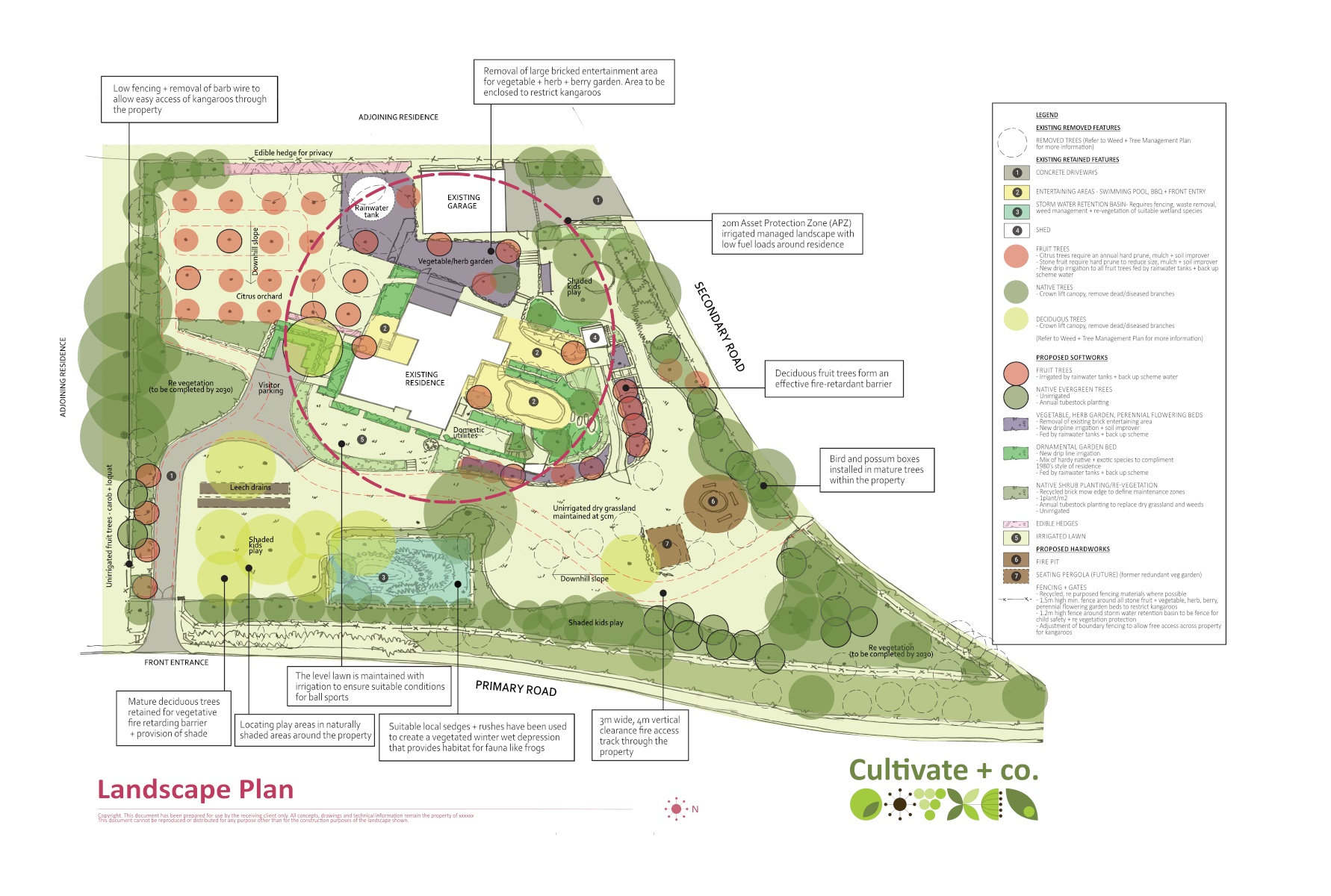
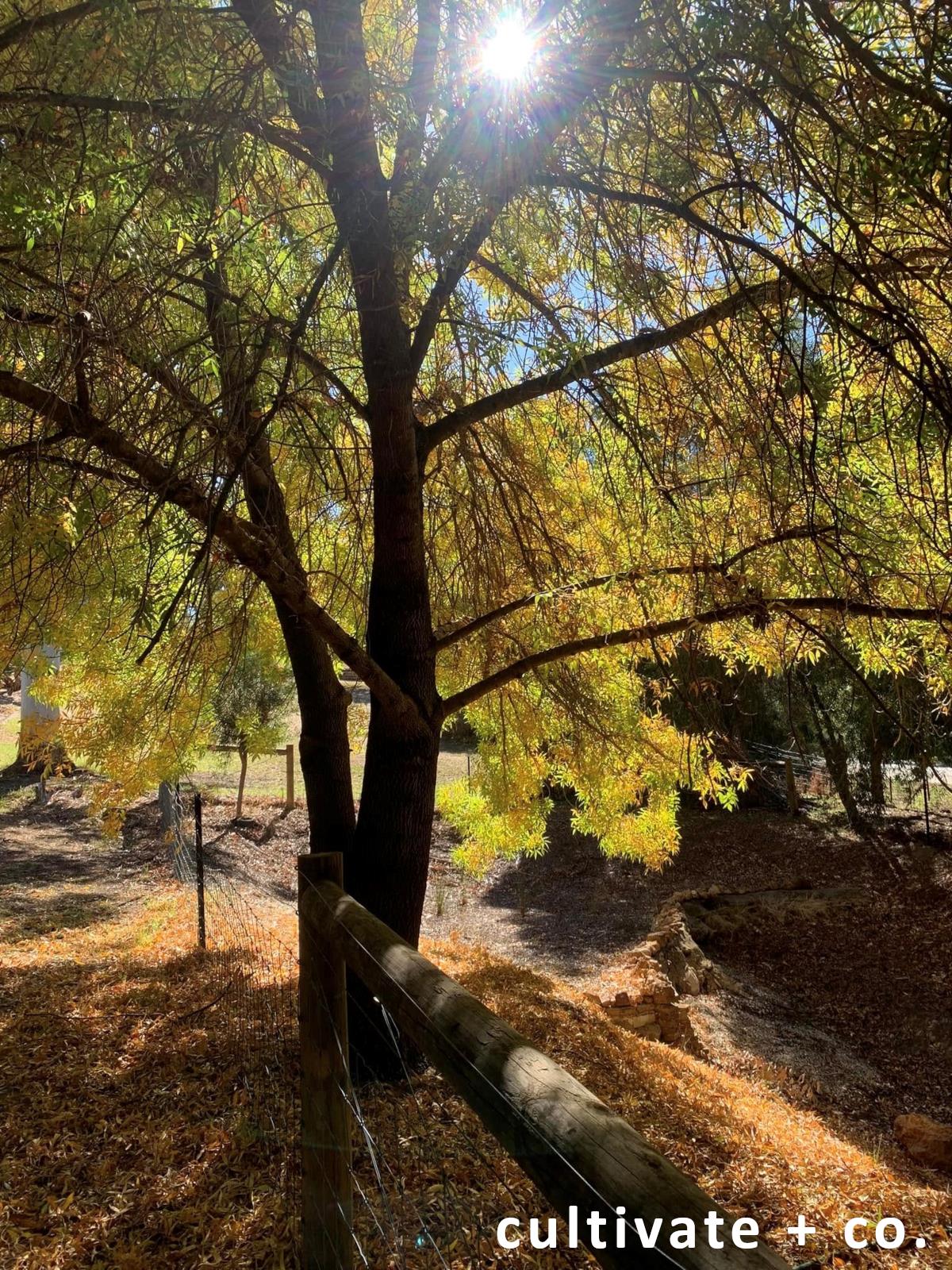
Climate resilience was a key design driver. Existing mature deciduous and stone fruit trees were retained and strategically positioned to provide protection from potential fire fronts and prevailing easterly winds. A managed and irrigated Asset Protection Zone, supported by dedicated fire access tracks and carefully selected bushfire-resilient plant species, enhances both safety and ecological value. Existing mature native trees provide important shade, reduce heat exposure and improve thermal comfort, while climate-responsive technologies including a 6.6kW solar system with battery storage, 26,000L rainwater harvesting, water-efficient drip irrigation and hydrozoning strengthen resilience in Perth’s drying climate.

A closed-loop approach to resource management underpins the landscape’s sustainable, regenerative qualities. Organic materials are retained and repurposed on site, with prunings reused as mulch and soil-building resources, and food and green waste composted to improve soil health. This approach reduces external inputs, builds long-term soil fertility and demonstrates how resourcefulness and restraint can deliver meaningful environmental outcomes.

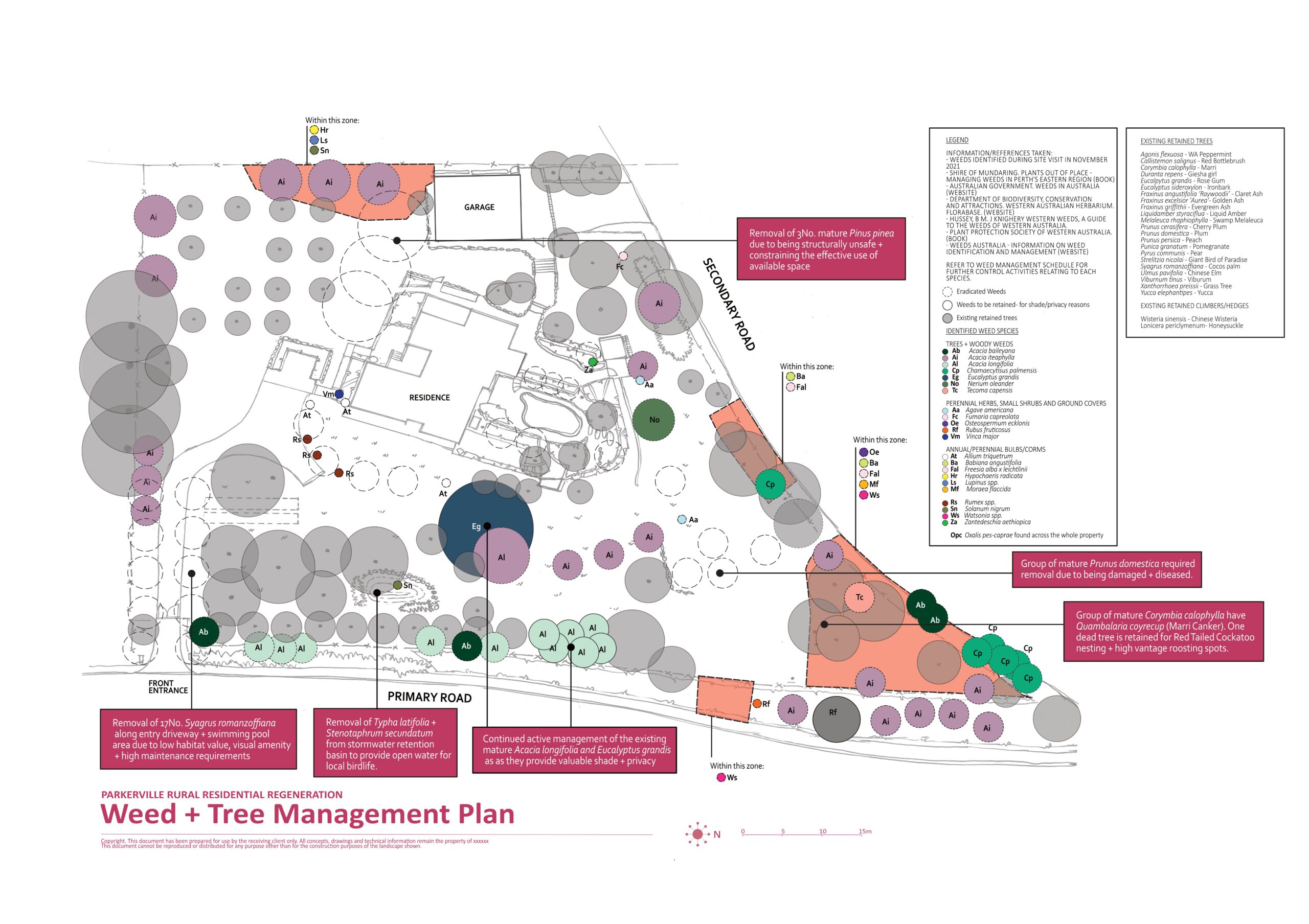
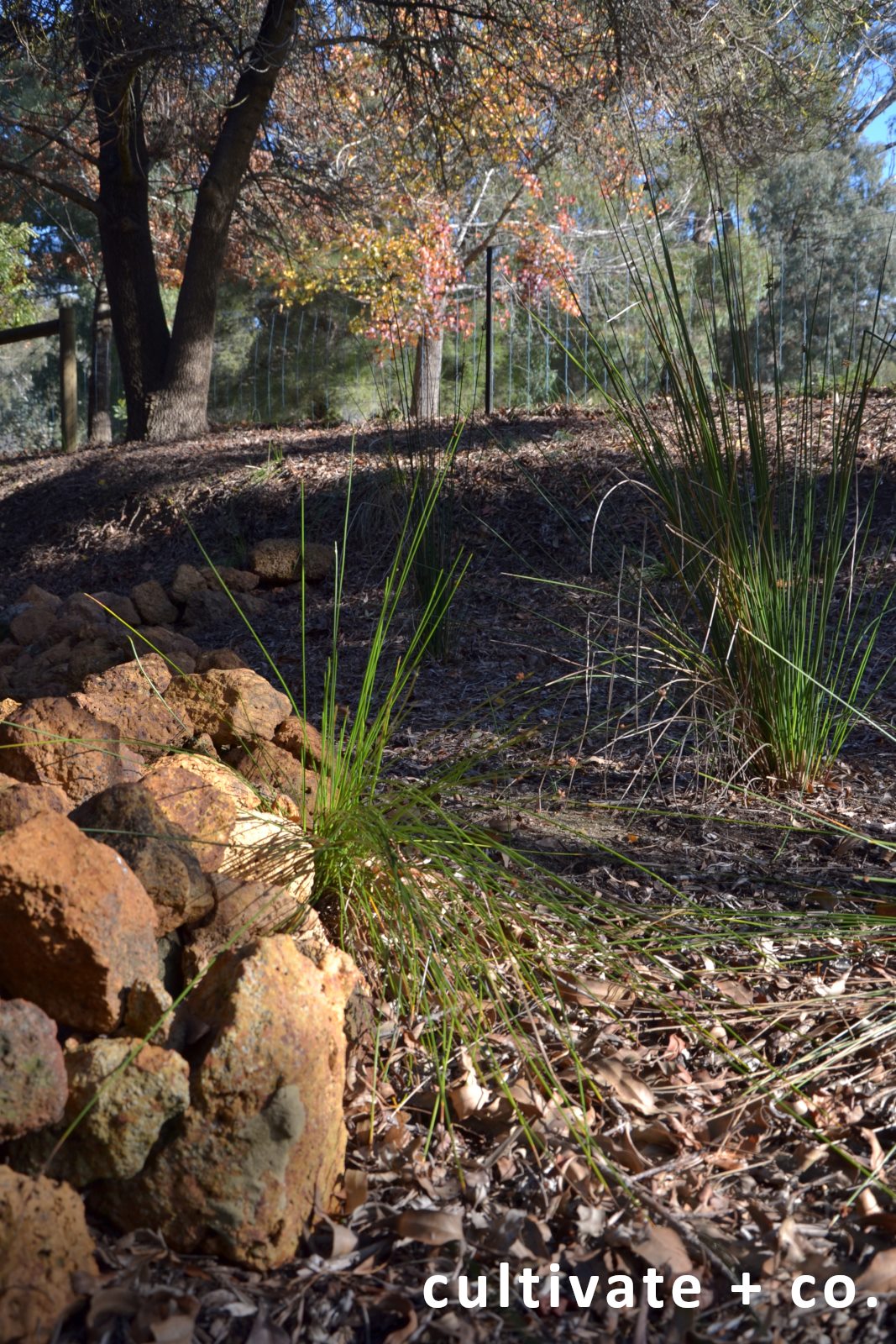
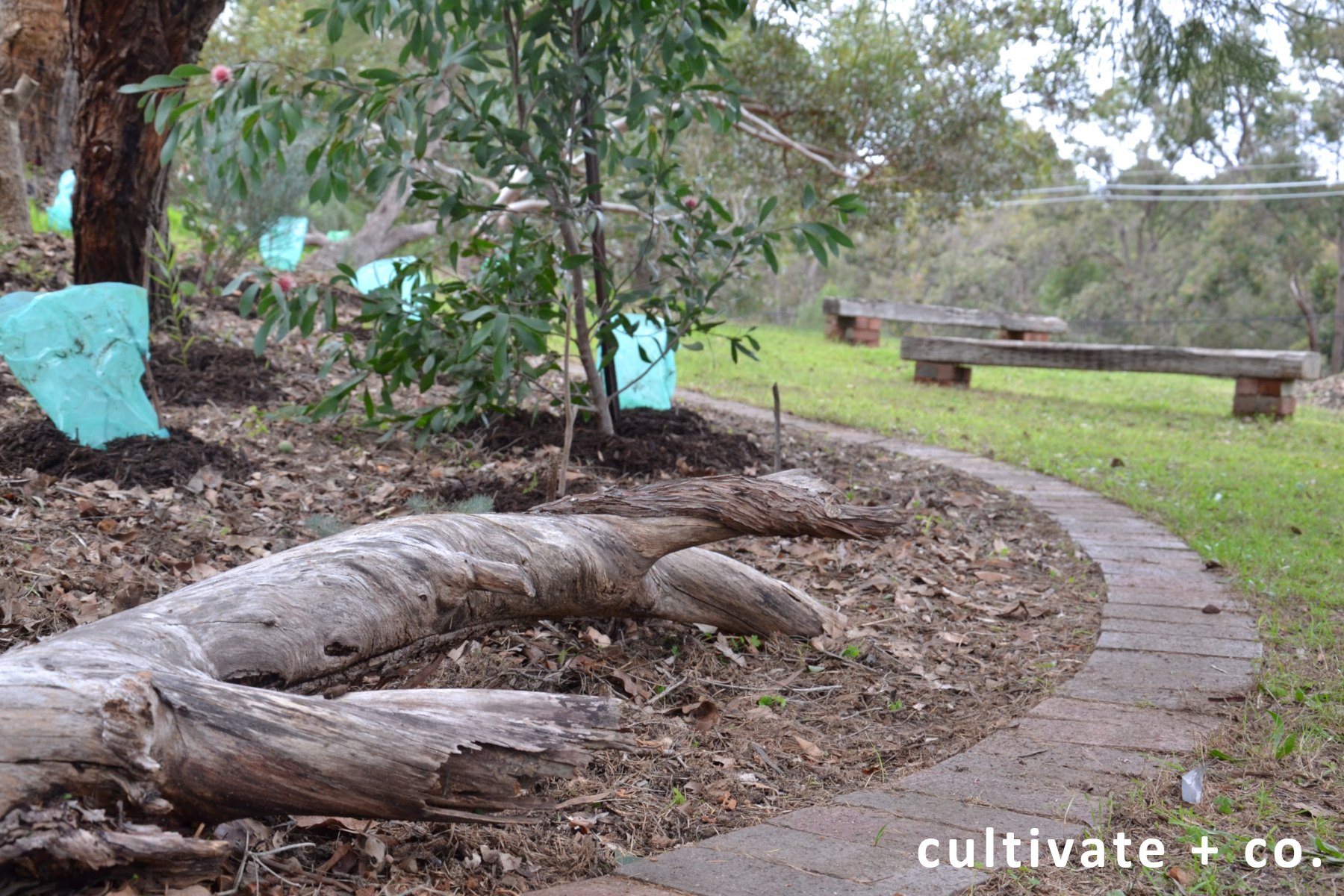
Ecological restoration has been achieved through targeted weed and pest management and a long-term commitment to habitat enhancement. Nineteen weed species were initially identified, with seven removed, while ongoing management controls invasive species and supports the gradual recovery of ecological function. Certain established weed trees are selectively managed to limit spread while retaining their value for shade and screening. A long-term goal to convert 20% of existing compacted grassland into native vegetation has resulted in annual planting of local Marri–Jarrah woodland species, establishing more than twenty native genera and over 400 plants planted to date with an 80% survival rate without irrigation. This restoration has increased biodiversity, expanded habitat opportunities and enhanced foraging resources for the endangered Carnaby’s Cockatoo.

weed and tree management plan

Additional habitat interventions, including nesting boxes, reptile refuges, wildlife pool exclusion zones and reliable water sources, further support local fauna. The ecological and hydrological function of an existing stormwater basin has also been restored through the removal of construction waste and invasive vegetation, followed by the establishment of endemic riparian species.

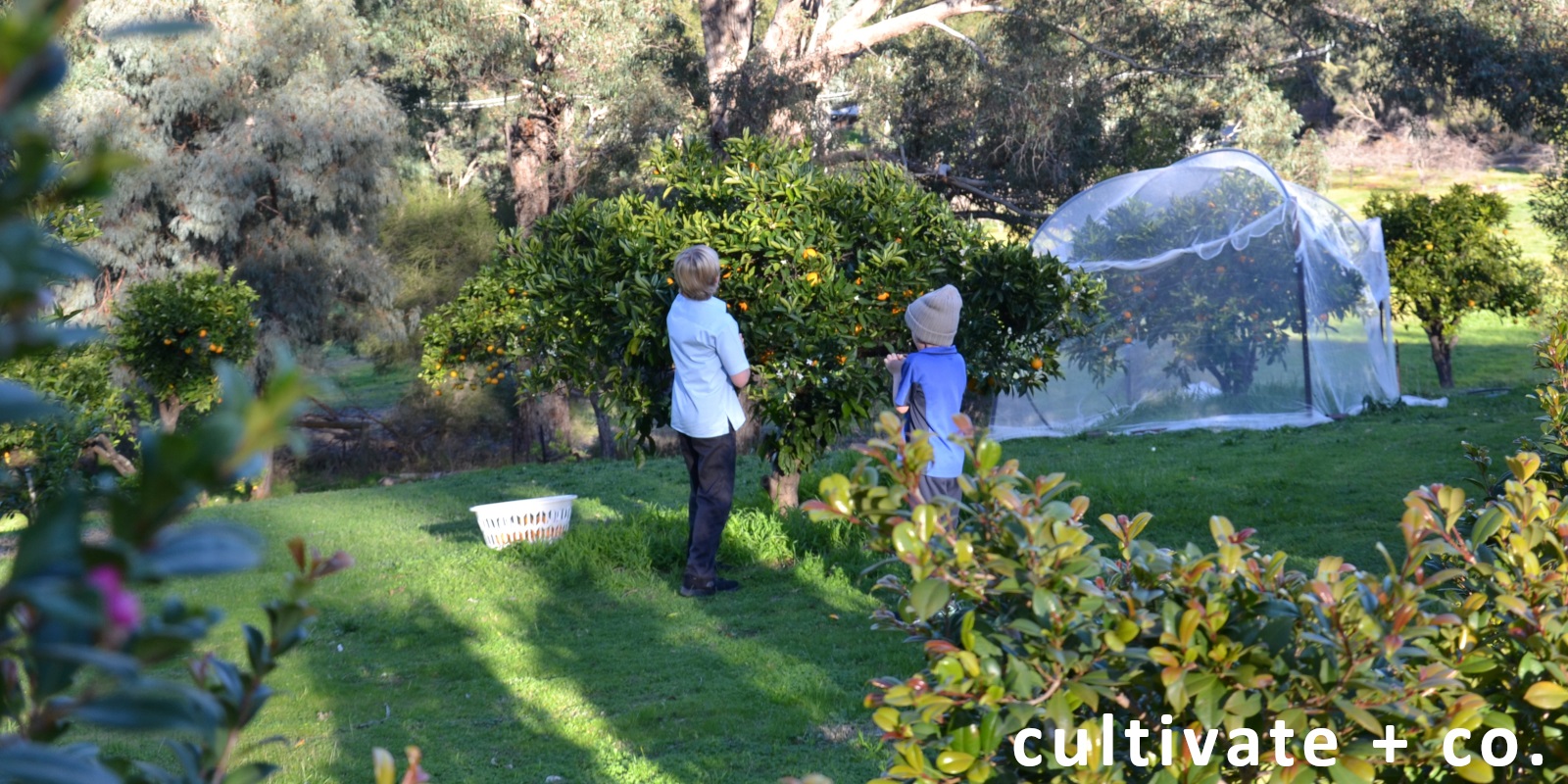
A productive landscape was integrated as a core regenerative, self sustaining initiative, transforming an underutilised paved area into 70m² of productive growing space located close to the residence and composting systems. Existing fruit trees were rejuvenated and supplemented with fourteen additional edible species suited to the Perth Hills climate. Managed using biodynamic and regenerative principles, including low-intervention cultivation practices, the garden provides a year-round supply of spray-free produce while supporting climate-positive outcomes through local food production, strengthening household food security, and fostering community connection.


The project extends beyond environmental outcomes, creating a landscape that supports healthy, outdoor living and learning. Restored shaded entertaining areas, productive gardens, active lawn spaces and play areas encourage exploration, independence and creativity, reinforcing the role of gardens as places of connection, discovery and environmental awareness.


Strong community partnerships have been central to the project’s success. Collaboration with the local Shire has supported bushfire mitigation, weed management and revegetation through the Seedlings for Landcare Program. Engagement with regional wildflower and permaculture groups has enabled knowledge sharing and strengthened the project’s contribution to broader regenerative landscape practices. Sharing seasonal produce has further supported community connection and a collective appreciation of sustainable living.

Through innovation, restraint and a deep understanding of place, this project demonstrates the evolving role of the contemporary rural residential garden. It is a landscape that restores ecological function, strengthens climate resilience, supports food production and promotes healthy living — demonstrating how thoughtful design can create lasting environmental, social and cultural value.

landscape plan

URBAN MICROFOREST in COTTESLOE

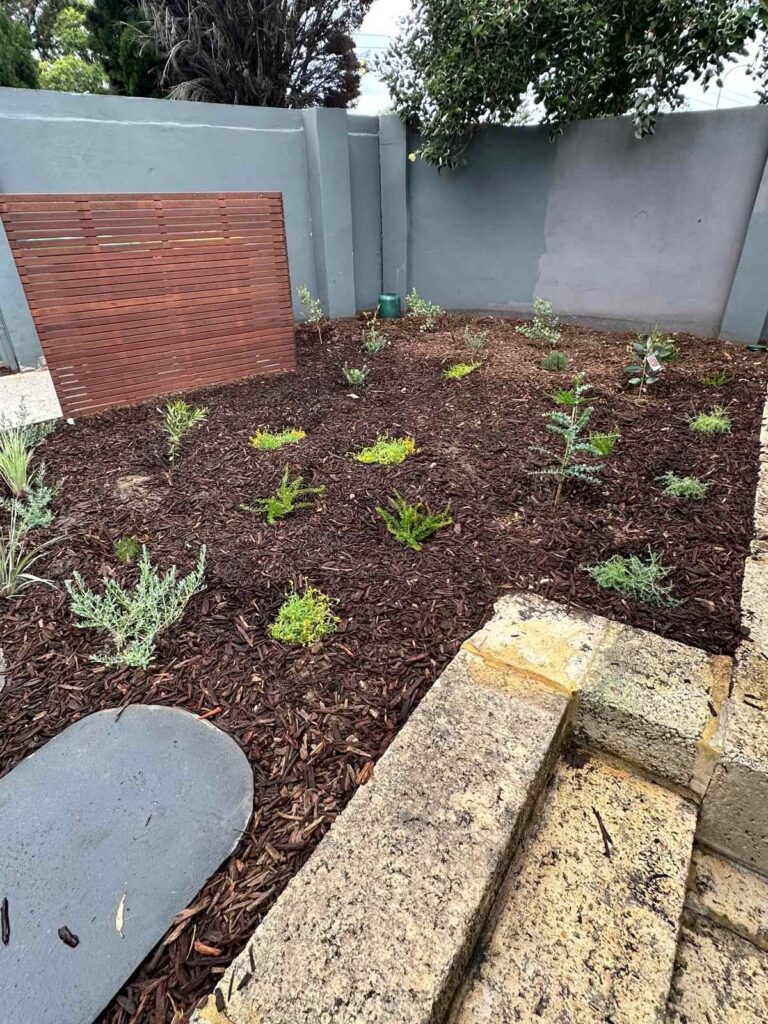
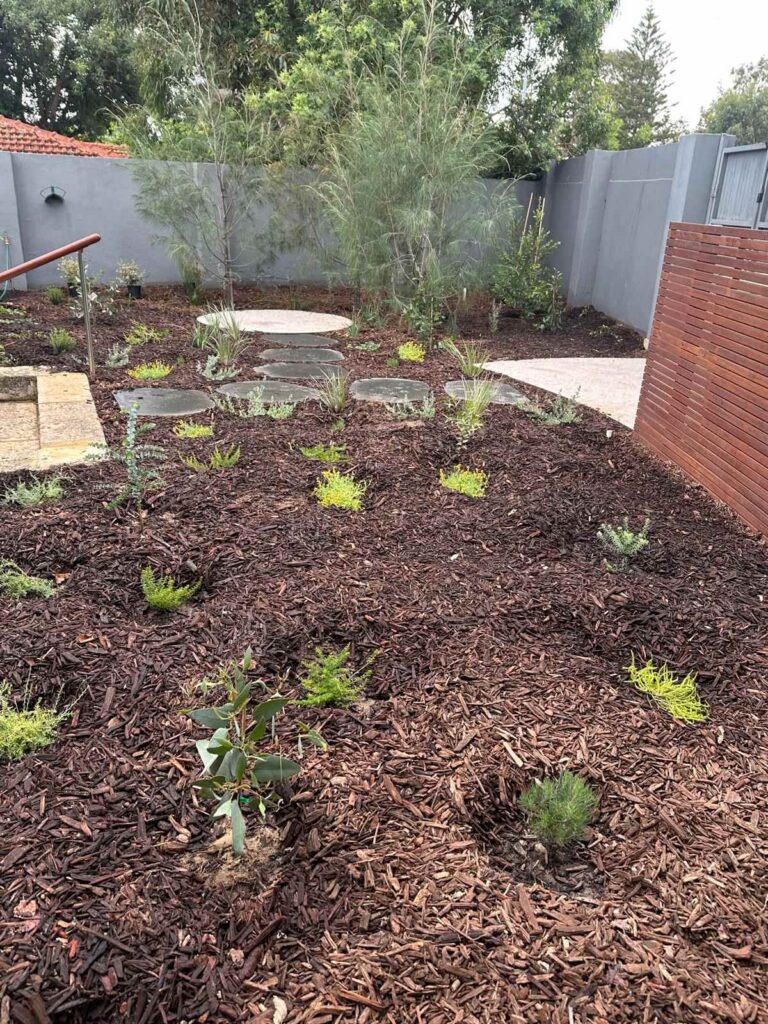
A once underutilised walled front garden in Cottesloe has been transformed into an urban microforest, creating a cool, immersive refuge from the surrounding streetscape. Previously exposed to traffic noise and harsh conditions, the space now offers a sheltered landscape that reconnects the home with nature while enhancing the experience of everyday living.

The microforest acts as a living buffer between the residence and the street. Dense vegetation helps filter air pollutants and reduce traffic noise, improving environmental quality and addressing the well-documented impacts of prolonged noise exposure, including stress, sleep disruption, and reduced cognitive wellbeing. Beyond its physical benefits, the garden provides a restorative space for quiet reflection and a deeper connection with nature.

The planting has been carefully considered to create a resilient landscape that responds to both site and climate. As the canopy matures, it will provide generous shade, reducing surrounding temperatures and helping to mitigate the urban heat island effect. A drip irrigation system supports plant establishment and provides resilience during periods of extreme heat, while the predominantly native planting palette has been selected to thrive in the nutrient-poor sandy soils of the Cottesloe complex with minimal soil improvement.

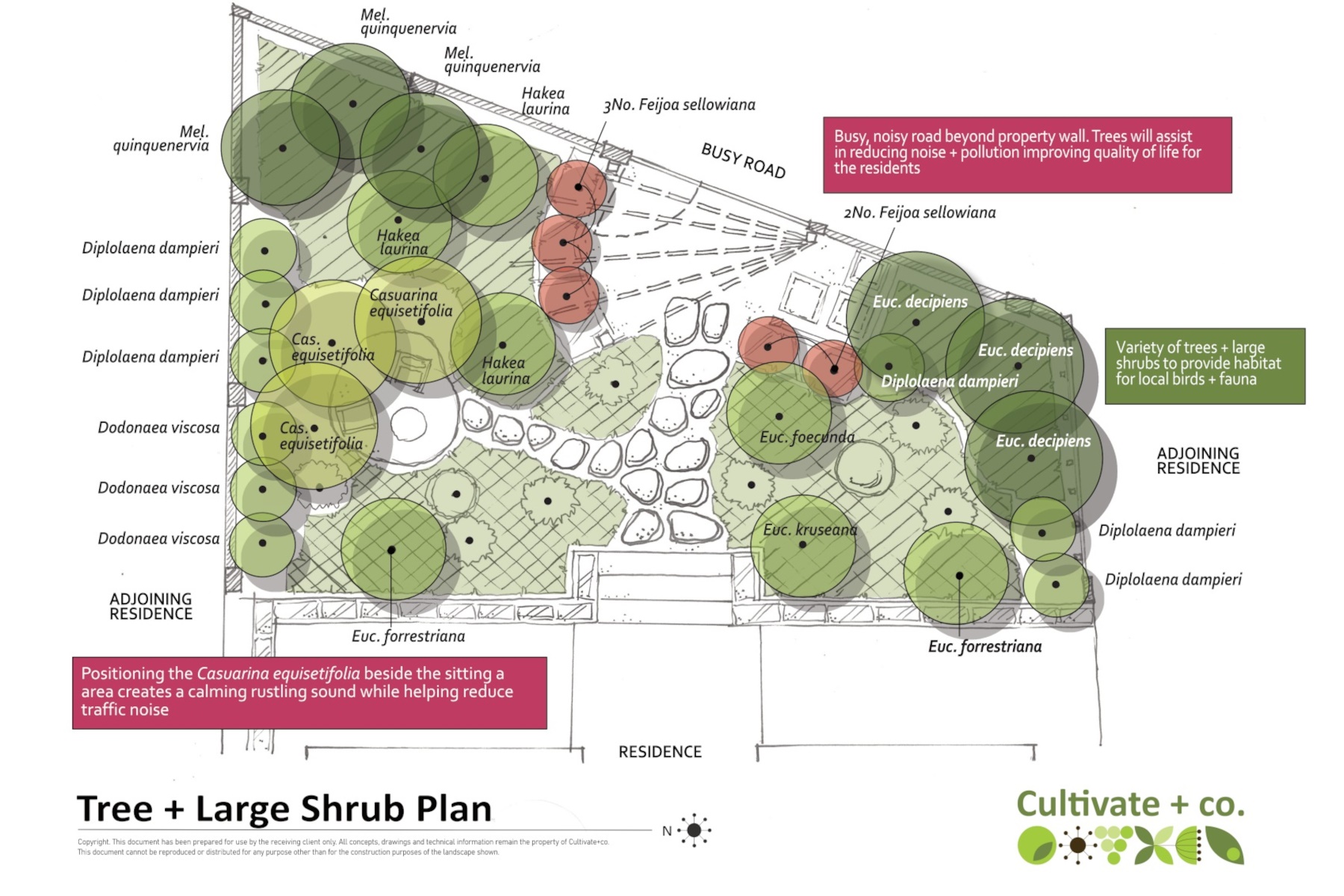
tree and large shrub plan

Biodiversity is central to the design. Thirteen trees representing six species have been densely planted within the compact site to establish a layered urban forest structure. Endemic trees and shrubs support local ecological communities, while the inclusion of key foraging species provides valuable habitat and food resources for the endangered Carnaby's Cockatoo.

The project also demonstrates how thoughtful planting design can enhance sensory experience. Casuarina equisetifolia has been strategically positioned adjacent to the sitting area, where its distinctive rustling foliage creates a calming natural soundscape that helps soften the presence of nearby traffic. Through considered design, the garden transforms a previously overlooked space into a resilient, biodiverse, healthy and restorative landscape.

VERGE REWILDING IN KARRINYUP

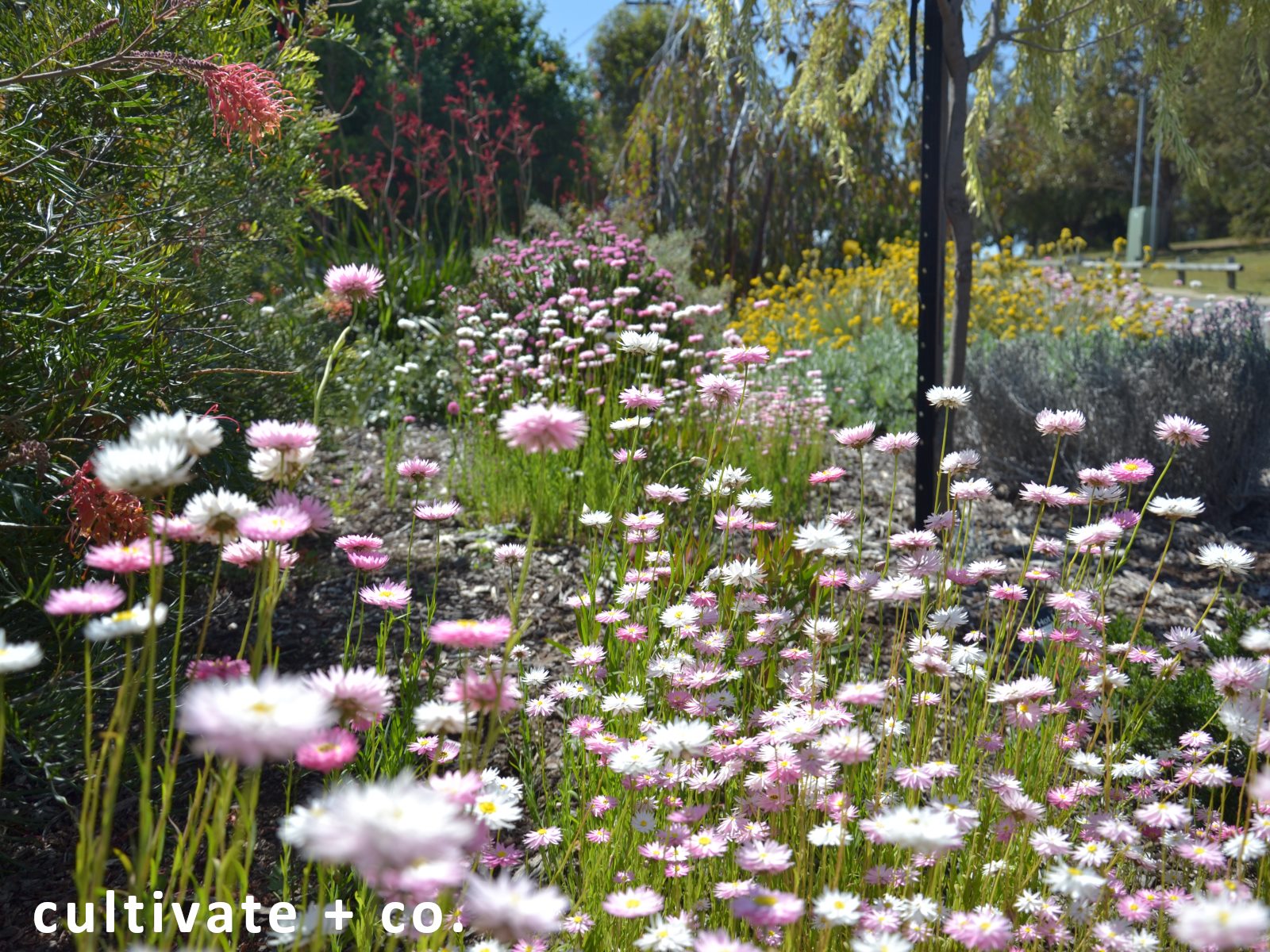
A previously underutilised irrigated lawn verge has been reimagined as a diverse native landscape that enriches the streetscape while supporting both people and ecology. The design transforms a conventional verge into a functional and welcoming space that contributes to neighbourhood character, biodiversity, and everyday experience.

The project strengthens the public realm by creating an attractive, engaging streetscape that encourages casual interaction between neighbours and fosters a greater sense of community. By activating the verge with purposeful planting and improving natural surveillance, the landscape also supports Crime Prevention Through Environmental Design (CPTED) principles, contributing to a safer and more connected neighbourhood.

Designed for long-term resilience, the planting palette responds to the local climate and site conditions. Native trees and shrubs, selected for their suitability to the nutrient-poor Cottesloe sandy soils, require minimal soil improvement and are supported by drip irrigation during establishment and periods of extreme heat. As the canopy matures, the street trees will provide increasing shade, helping to reduce local temperatures and mitigate the urban heat island effect.

Biodiversity is integral to the design. A diverse selection of endemic species creates habitat and seasonal interest while supporting local fauna, including the endangered Carnaby's Cockatoo through the inclusion of known foraging tree species. The result is a landscape that strengthens ecological connections within the suburban environment.

The design carefully balances openness with privacy. Key sightlines to the bushland reserve opposite have been preserved, creating a shared visual landscape that extends beyond the site and reinforces the connection to the surrounding environment. At the same time, densely planted areas discourage pedestrian shortcuts across the verge, subtly enhancing the privacy of the adjoining front garden while maintaining a welcoming public edge.